
The AquaNova Journal
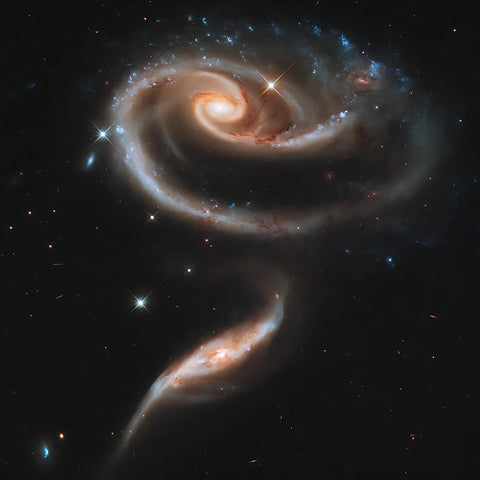
We often look up at the sky and down at the ocean as two separate realms—one vast and celestial, the other deep and aquatic. Yet, they are intimately linked by one invisible, powerful force: gravity. From the rise and fall of ocean tides to the orbital paths of planets, gravity weaves sea and sky together in an elegant cosmic dance. Understanding this connection not only reveals the mechanics of our world but also reminds us how profoundly interconnected Earth is with the universe beyond.
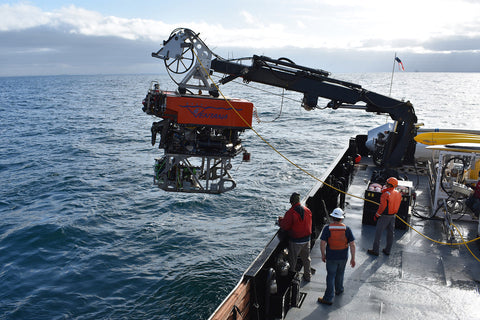
The ocean is Earth's final frontier—a vast, mysterious realm where light barely penetrates and humans can’t survive without technological assistance. To explore this unknown world, scientists have long relied on Remotely Operated Vehicles (ROVs). Among these, the Ventana stands out as a trailblazer. Operated by the Monterey Bay Aquarium Research Institute (MBARI), Ventana has become a vital tool in deep-sea exploration, capturing footage and data that have transformed our understanding of marine ecosystems. But what exactly makes this ROV so special?

The ocean is Earth’s final frontier. It covers over 70% of the planet, yet much of it remains unexplored. At the heart of our deep-sea discoveries is a marvel of engineering: the scientific submersible. These underwater vehicles—whether manned or unmanned—have enabled researchers to reach crushing depths, study bizarre marine life, and better understand our planet's geology. But how did we go from steel balls dangling from cables to sophisticated, high-tech vessels that glide silently through the abyss? This is the story of how scientific submersibles have evolved from experimental pressure capsules to essential tools of discovery.
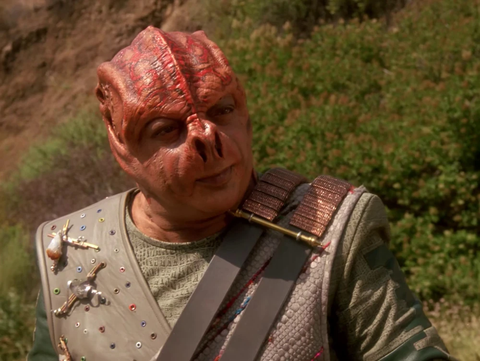
First contact is a cornerstone of Star Trek lore—the moment when humanity meets a new alien species, often with high stakes, philosophical implications, and dramatic flair. But not every first contact plays out with gravitas. In fact, Star Trek has a long tradition of peppering these milestone encounters with unexpected humor, cultural missteps, and good old-fashioned awkwardness.
Whether it’s a malfunctioning universal translator, a misinterpreted handshake, or a diplomatic blunder that spirals out of control, the franchise has proven time and again that meeting new life and new civilizations doesn’t always go smoothly—and that’s what makes it so relatable. These moments remind us that even in the vastness of space, laughter is universal.
Let’s revisit some of the funniest first contact moments in Star Trek history—from classic series bloopers to clever alien mix-ups that had fans chuckling across the galaxy.

In the Star Trek universe, April 5, 2063, marks a milestone that changed the course of history—First Contact Day. This is when humanity first encountered an alien species, the Vulcans, ushering in an era of interstellar diplomacy, peace, and cooperation. But what if it hadn’t gone so smoothly? What if First Contact had failed—gone horribly wrong or been delayed? This kind of speculative storytelling isn’t just fascinating fan theory; it also helps us appreciate the delicate threads that hold together Star Trek’s vision of a united future.
Let’s explore a few alternate histories that ask the question: What if First Contact had gone wrong?

In the world of Star Trek, few dates are as important as April 5, 2063—the day humanity made first contact with an extraterrestrial species. Known as First Contact Day, this event marked the turning point that led to the formation of the United Federation of Planets and humanity’s place among the stars. But why was this moment so significant, and how did it shape the Star Trek universe as we know it? Let’s take a deep dive into the importance of First Contact Day and why it remains a cornerstone of Star Trek lore.

Since its release in 1978, Space Invaders has remained one of the most recognizable arcade games in history. With its simple yet addictive gameplay and iconic pixelated alien designs, the game has influenced countless titles across generations. But Space Invaders hasn’t just stayed within its own universe—it has collided with other franchises in surprising and creative ways. From collaborations with legendary video game icons to unexpected crossovers in pop culture, Space Invaders continues to prove its lasting appeal.

Since its release in 1978, Space Invaders has captured the attention of gamers worldwide. Despite its simplistic design, the game remains one of the most iconic arcade experiences of all time. But what is it about Space Invaders that makes it so addictive? From its clever game mechanics to its psychological triggers, the game keeps players hooked. Let’s dive into the key psychological principles that drive its appeal.